
The best place to stay in Aruba depends on the type of vacation you’re hoping to enjoy and how much you’d like within walking distance of your hotel door. Palm Beach, Eagle Beach, Oranjestad, Savaneta and San Nicolas, and Malmok and Arashi are the island’s main areas, and each offers a different type of experience. From resort-lined beaches to rich, local culture, there's plenty of different types of escapes to be enjoyed here.
Fortunately, Aruba’s small size means that if you choose somewhere that isn’t quite the kind of area you were hoping to be in, this won’t ruin your trip. Instead, it will mean traveling around 30-40 minutes or so to an area that’s slightly more appealing, which is no hassle at all if your main purpose of the visit is to explore everything the island has to offer!
Most accommodation in Aruba sits along the calm, Western coast, where beaches, restaurants, and visitor amenities are easiest to reach. The five main areas below offer different experiences, so the best choice comes down to the atmosphere you prefer, your budget, and how much you’re hoping to explore on foot.
Compare the areas
Pick the base that fits how you want to spend your days, then explore the rest of the island from there.
| Palm BeachHigh-rise strip | Eagle Beach& Druif | OranjestadDowntown | Malmok& Arashi | Savaneta& San Nicolas | |
|---|---|---|---|---|---|
| Atmosphere | Lively, resort-focused and sociable | Relaxed, spacious and upscale | Urban, colorful and culturally rich | Quiet, residential and low-key | Local, laid-back and authentic |
| Beach | Wide sand with watersports and beach bars | Broad white sand, turquoise water, quieter | Harborfront; Surfside Beach nearby | Rocky shore, small coves, Arashi Beach close by | Quiet coastal spots and Baby Beach |
| Walkable dining | ExcellentRestaurants, bars and nightlife cluster nearby | GoodOptions are more spread out | ExcellentLocal eateries, cafés and downtown restaurants | LimitedA car helps reach more restaurants | SomeLocal spots; a car helps beyond them |
| Typical price tier | $$$–$$$$ | $$–$$$$ | $–$$$ | $$–$$$$ | $–$$$ |
| Best for | First-time visitors, nightlife and resort amenities | Couples, beach lovers and quieter stays | Culture, shopping and independent dining | Snorkeling and peaceful coastal stays | Local culture and quieter stays |
Prices shift with the season, the property and how often you eat out. Wherever you stay, there are restaurants across the island at every price point.
Find restaurants by areaPrices can vary depending on when you choose to visit, the property you stay at, where you choose to eat, and what you spend your free time doing, but this gives you a useful starting point for comparing your options. If dining out is part of your vacation experience, there’s a wide range of bars and restaurants all across the island at different price points.
Ultimately, Palm Beach and Eagle Beach are great for easy access to beaches and great dining options, while Oranjestad offers a more culturally rich experience, and Malmok and Arashi boast a quieter coastal escape.
Palm Beach is Aruba’s main resort hub, with the island’s densest concentration of large resorts, restaurants, bars, casinos, and watersports operators packed along the beachfront. The atmosphere here is lively all day long, with plenty taking place on both the sandy front and the main hotel strip.
It’s an excellent choice for first-time visitors looking to experience the island from a convenient base. It’s also a great spot for groups and those traveling to the island without planning on hiring a car. You can easily walk between the beach, major hotels, shopping centers, restaurants, and bars. It’s also a great spot for those looking to head out on the water, with plenty of watersports and catamaran trips readily available to arrange along the waterfront.
If you’re looking for an island escape with a bit more peace and quiet, though, or a wide-open stretch of sand for calm, leisurely strolls, then Palm Beach may not be the top choice for you. The beachfront can be busy and lively, particularly around the major resorts, and the concentration of hotels and activities gives the area a more built-up feel than other parts of the island.
That said, if you do stay on Palm Beach, it’s very easy to enjoy a change of scenery by escaping to one of the other great areas nearby. Eagle Beach is located only 5 to 10 minutes away by taxi, which costs a base fare of $16 each way (or $12 for High-Rise South), with $5 surcharges between 11 p.m. and 7 a.m., and boasts a wider beach and more relaxed atmosphere. Oranjestad sits around 10 to 15 minutes away by car or taxi, with taxi services costing around $22-$24 depending on when you travel, and offers colorful, cultural Dutch streets, shopping, and a great selection of restaurants and dining options.
Aruba’s low-rise hotel area is vastly different from the bustling, towering resorts that can be found at Palm Beach. The buildings are shorter, more spread out, and there’s more space between the hotels and the sand. Eagle Beach itself is the star attraction here, with a wide stretch of sand, turquoise waters, and fofoti trees; it is regularly ranked among the world’s best beaches.
This area is an ideal choice for couples, families, and anyone looking for a more relaxed beach holiday with plenty of room to unwind. Despite how beautiful and peaceful this area is, the main trade-off is dining. While some beachfront restaurants, shops, and resort dining options are located within walking distance, there’s less choice of these than there is at Palm Beach. If you’re looking for a more diverse choice of places to dine, you’ll want to take a taxi or drive out to somewhere like Palm Beach or downtown Oranjestad, where more options are available.
If you’re looking for space to spread out on the sand, take a leisurely walk, and enjoy a slower pace, then Eagle Beach and Druif are a great choice. Just be prepared to plan a little more around meals and transport by making reservations, especially if your accommodation is away from the beachfront.
Often overlooked as a place to stay in favor of beachside resort areas, Oranjestad offers a different, more culturally rich side of Aruba. Here, you can find colorful Dutch colonial buildings, waterfront promenades, independent shops, and plenty of great restaurants and bars. Downtown Oranjestad is quite compact, making it an easy spot to explore on foot without the need to hire a car. While there is no traditional resort beach, Surfside Beach is located nearby, and guests staying at Renaissance have access to Renaissance Island.
Accommodation here can also be more affordable than in more sought-after areas like Palm Beach. This makes it an appealing choice for budget-conscious travelers looking for an affordable base while they explore the rest of the island with a rental car or by public transport. It is also a convenient location for cruise passengers looking to extend their vacation before or after sailing, as this is where the island’s cruise ship terminal is located. Oranjestad is a popular choice for those who have visited Aruba before and return to explore more than just the gorgeous beaches here. It’s a top choice for travelers more interested in great dining and culture than in spending every day by the sea.
That said, opting to stay in Oranjestad for the duration of your vacation isn’t without its drawbacks. Most notably, it doesn’t have the kind of resort beach that most people picture when they think of a vacation in Aruba. You can enjoy the harbor and waterfront, but if you actually want to visit a beach, you’ll need to take a short walk to Surfside Beach. You can also take a 10- to 15-minute drive to Eagle and Palm beaches.
At Aruba’s northwestern tip sits the area of Malmok and Arashi. Boasting a quiet, more residential alternative to the resort strip, it’s a great area for those looking to enjoy a secluded and peaceful getaway. The rocky coastline here is a common spot for shore snorkeling, with peaceful coves, clear water, and abundant Marine life. Malmok’s rocky limestone shoreline means entering the water may sometimes require navigating rocks rather than soft sands, so it’s an ideal spot for adventure lovers who don’t think twice about bringing water shoes! Arashi Beach is located nearby, and this offers a sandy alternative, meaning that guests who stay in this area can enjoy the best of both worlds.
While the area doesn’t have many notable hotels to stay at, it’s a hot spot for private condos, Airbnbs, and villas, making it an ideal spot for snorkelers, longer stays, and those who have already enjoyed the resort experience at Palm Beach. Though the area is quiet and secluded, this means that the biggest trade-off here is convenience. You’ll need to hire a rental car to reach restaurants, shops, and other activities around the island, as there are very few dining options within walking distance here.
Malmok and Arashi are a great choice for those who value privacy, independent accommodation, and time in the water over the convenience of having everything on the doorstep.
The southern part of Aruba offers a vastly different atmosphere than that found in Palm Beach and its resort strip. In Savaneta and San Nicolas, you’ll find a host of vacation rentals, smaller properties, local restaurants, and a quiet, laid-back atmosphere. Here, you can enjoy the chance to explore a more residential side of the island, with a stronger connection to local living and the slower pace that comes with experiencing the day-to-day lifestyle of the locals.
This area is particularly well suited to independent travelers and those looking to get away from the main tourist hubs. Savaneta has a beautiful coastal setting and decent local dining spots, and San Nicolas is an attraction in and of itself. With stunning street murals to discover, this artistic destination is a source of inspiration for many creative visitors. It boasts plenty of character and access to the southern beaches, including the shallow, family-friendly spot that is Baby Beach.
The main trade-off to staying in this area is convenience. There are fewer hotels and tourist facilities to choose from, and hiring a car is strongly recommended in order to be able to reach beaches, restaurants, and attractions across the island. If you prefer having a quiet base and a more local experience over the convenience of having everything right on the doorstep, the southern area of the island may be a great choice for you.
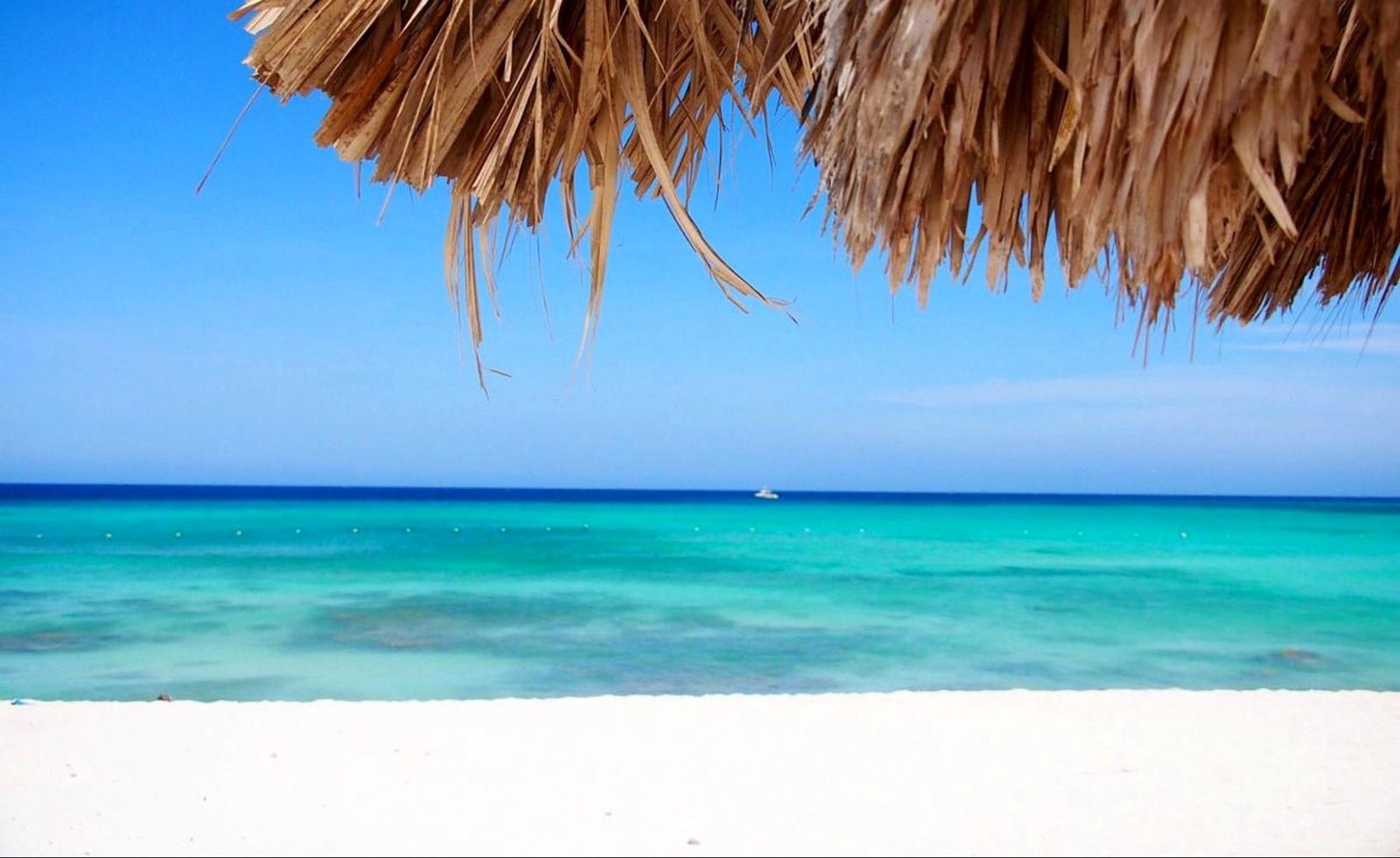
Palm Beach and Eagle Beach are both great seafront destinations in their own right, but choosing between them really comes down to what you’re hoping to get out of your beach holiday. Palm Beach offers a lively atmosphere, with restaurants, bars, casinos, and watersports all within easy walking distance. It’s a popular spot with those who enjoy being in the midst of all the hustle and bustle, and who don’t plan on venturing too far every day of their vacation.
Eagle Beach, on the other hand, offers a wider stretch of sand, fewer crowds, and a more relaxed and laid-back feel. It boasts the fofoti trees, which are what many visitors first think of when they picture Aruba. Shade is limited on both beaches, but Palm Beach has more umbrellas and lounge areas around its many resorts.
The good news is that you don’t necessarily need to choose just one. Eagle Beach and Palm Beach are located around 2 miles or 3 km apart, which is only a 30-40 minute walk, or a 5-10 minute drive, depending on traffic. The best way to choose between these is to pick the option that would suit you best day to day, and visit the other when you feel like enjoying a change of pace.
The best area to stay in Aruba depends on your travel style, budget, and what you want to be able to do on foot, without needing to travel too far. Rather than picking where to stay based on the resort or accommodation, you should begin by exploring the kind of vacation you want, and then narrow down the accommodation that suits you and your group best.
Palm Beach is an ideal spot for families with children looking for calm swimming spots, plenty of resort entertainment, and an abundance of activities to keep teenagers entertained. Eagle Beach and Druif offer wide stretches of sand and a quieter atmosphere. For those traveling with very young children, Baby Beach has especially shallow, sheltered waters, but it is located around a 45-minute drive from the main resort areas, so it’s a great option for those renting a car for the duration of their stay. Some of the best places to stay for families with children include:
When comparing accommodation for the family, be sure to double-check whether the rate you’re quoted includes children’s activities, access to pools, and any extra beds you may need. These can occasionally be charged separately and make a noticeable difference to the overall cost of your stay.
If you’re traveling with more people on a multi-generational trip, or an extended family vacation, it can be a good idea to look into booking a condo or timeshare. These can sometimes work out cheaper overall, and can be found with as many beds as you may need.
Eagle Beach offers quiet surroundings and a relaxed, romantic pace, which can be a great draw for couples. Palm Beach offers a more lively experience suitable for fun-loving couples. Whether you’re looking to enjoy your stay at an adults-only resort, or simply find a peaceful base for two, here are some of the top options worth considering:
For a romantic stay, you should consider how much time you’re hoping to spend at your accommodation versus exploring the island. A quieter beachfront setting can make all the difference if your ideal trip involves slow mornings, laid-back dinners, and long days by the beach.
Self-catering accommodation is well worth considering if you plan on staying in Aruba for a week or more. It’s also a great option for those traveling as part of a group, or even for those who simply value having their own space. There are plenty of condos, Airbnbs, and villas to choose from on the island, and many cluster around areas such as Palm Beach or Malmok, with options ranging from resort-style apartments to entire private homes with their own private pools.
Having a property to stay in with a kitchen (or even a small apartment with a kitchenette) can substantially change the budget of your trip. It can be a convenient option for those who want to prepare breakfast, pack lunches for days out, and even cook dinner instead of dining out every day. For those staying on the island longer, it’s a good idea to compare the total cost of your rental with rates at hotels, including cleaning fees, resort charges, and car hire if you plan on staying somewhere a little less walkable.
Apartments, condos, and private villas can be rented through various reputable platforms such as Airbnb and Vrbo. These have become increasingly popular in recent years, accounting for approximately 39% of visitor nights in 2025. Private rentals are now a significant part of Aruba’s lodging options, and should not be overlooked in favor of a hotel.
Also worth keeping in mind are boutique accommodations. Much like private rentals, these shouldn’t be disregarded in favor of a name-brand hotel. Aruba offers wonderful boutique accommodations for travelers who prefer a more intimate, personalized experience beyond the larger resort properties. Some of the top choices are Bucuti & Tara on Eagle Beach and Aruba Ocean Villas in Savaneta, which boasts beautiful overwater bungalows, and Serene by the Sea in Savaneta.
You don’t need to stay at a beachfront resort in order to be able to enjoy Aruba to the fullest. There are plenty of smaller hotels, guesthouses, apartment rentals, and off-beach properties that are more affordable alternatives to major resorts, luxury condos, or high-rise hotels, especially if you’re willing to stay a little further back from the sand. When it comes to experiencing Aruba on a budget, choosing cheaper accommodation and preparing some meals yourself can free up more of your vacation budget for exploring the island and heading out on excursions or fancy dinners.
On an island as small as Aruba, choosing to stay at a property that sits a little further away from the beach is a much smaller compromise than it may originally sound like. A short drive or bus ride can get you to the main resort areas and their beaches in no time, so you can save on accommodation without missing out on sandy beaches and stunning waterfront views. As the majority of attractions and things for tourists to do are located in a similar area, opting to stay further afield at the southern end of the island in Savaneta or San Nicolas can also help bring the cost down. This is something you should strongly consider if you don’t mind spending a bit more time driving and plan on renting a car either way.
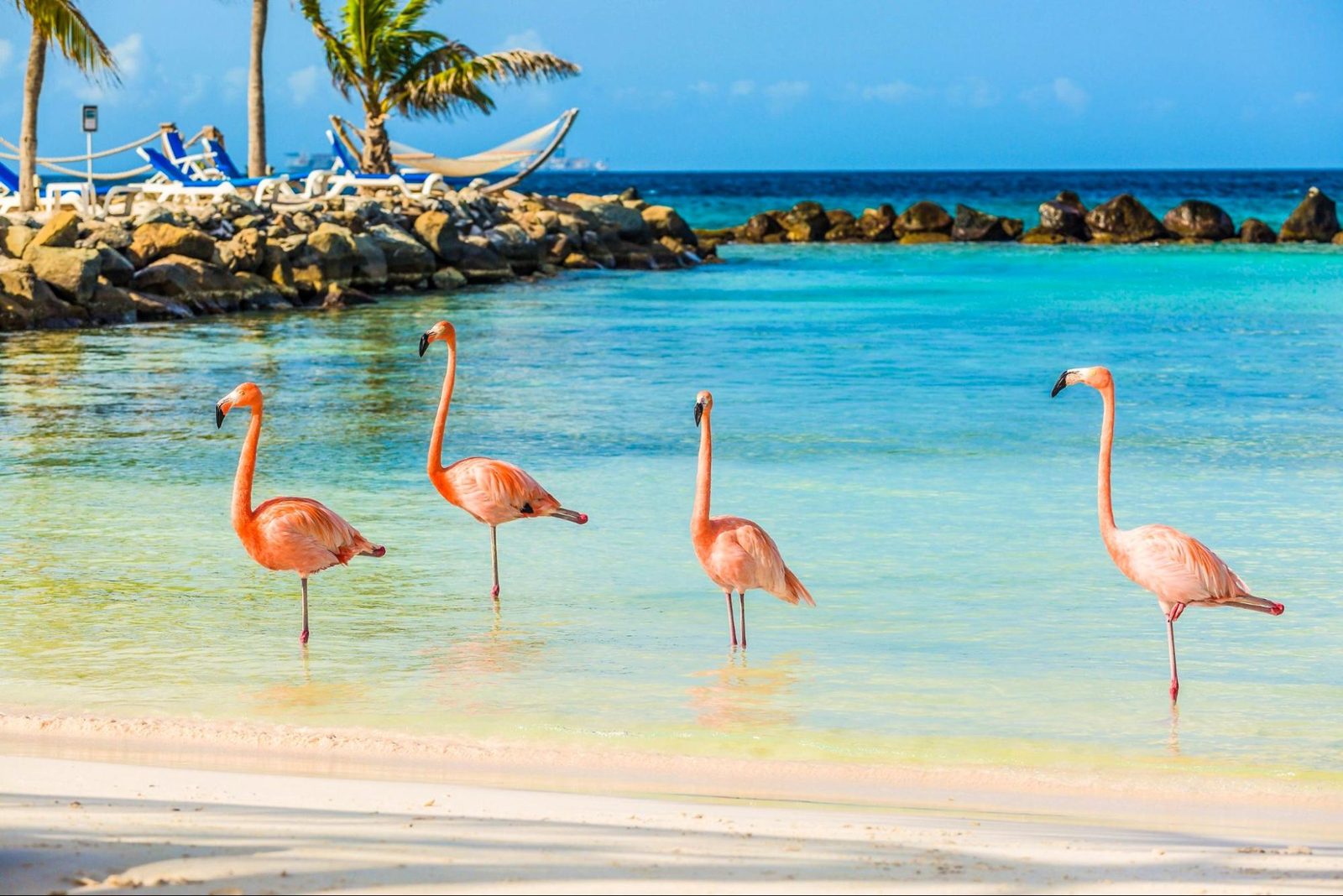
Your total budget for your week-long trip to Aruba depends on much more than just the nightly room rate. For example, while Palm Beach can cost more to stay in, its walkable strip is littered with many restaurants and activities that can help keep the cost of transport lower. On the other hand, staying at a cheaper property in Eagle Beach can mean hiring a car or making regular taxi journeys, which can soon add up.
On average, though, a trip to Aruba includes the following costs:
Actual costs will vary by season and what you actually get up to during your stay. For example, if you choose to stay in Oranjestad, but opt to travel to Palm Beach every night for dinner, the cost may be much higher.
It’s worth noting that hotel prices can vary widely, even within one area. Rates can be drastically different between properties, room types, views, seasons, and the specific dates you’re booking for. This is especially important when looking at the cost of accommodation in Malmok and Arashi, and Savaneta and San Nicolas. Prices here seem much higher, but these averages account for luxurious boutique hotels and expensive private villas, which are much more popular in these areas than in the other hubs.
Remember to also budget for taxes and fees. Aruba’s $3 USD environmental levy per occupied room per night can be added to accommodation charges, alongside any property-specific service or resort fees. These are not included at the time of the quote, so it’s important to double-check directly with your accommodation what extra fees they will require before booking. Visitors arriving by air generally also pay a separate $20 USD sustainability fee through the online embarkation form.
If you’re hoping to plan your vacation to Aruba on a budget, then using a rewards app, keeping an eye out for specials and events, or even choosing to make some meals at your accommodation instead of dining out every day can truly make all the difference to the cost of your trip.
It surprises many visitors to Aruba to learn that there are not many all-inclusive resorts in Aruba in comparison to other Caribbean destinations. The majority of properties on the island typically operate on a room-only or bed-and-breakfast basis, meaning that meals, drinks, and activities will all need to be paid for separately. This allows for more flexibility to explore the island’s wonderful restaurants and keep your vacation to whatever budget you choose, rather than paying one price to dine at the same restaurants every night.
There is a small selection of all-inclusive properties on the island, so they shouldn’t be ruled out entirely. Whether an all-inclusive package works best for you depends almost entirely on how you plan to spend your vacation, what you’d like to experience whilst you’re there, and what your budget is.
Whether you need to hire a rental car for your trip depends largely on where you’re staying and how much of the island you want to explore. For many visitors, this is the deciding factor when choosing between two areas.
Getting around
How much you'll lean on a car, from least to most, by area.
Palm Beach
OptionalRestaurants, bars, shops and watersports are all walkable along the strip, with plenty of taxis and the Arubus to Eagle Beach and Oranjestad.
Oranjestad
OptionalDowntown is very walkable for shopping, dining and culture. The Arubus links it to the beach areas, and taxis cover longer trips.
Eagle Beach & Druif
HelpfulYou can walk to the beach and some restaurants, and buses run to Palm Beach and Oranjestad. A car opens up more dining without relying on taxis.
Malmok, Arashi & Noord
Strongly recommendedVillas and condos sit far from restaurants and shops. Some buses reach Arashi, but evening service is less frequent.
Savaneta & San Nicolas
Strongly recommendedThe main resort areas are about 30–40 minutes away by car, so frequent taxi trips add up quickly.
Staying somewhere quieter? Book your table ahead and plan the ride around it.
Reserve a tableNo matter where you’re staying, renting a car during your stay can be a great benefit, allowing you to see more of the island. Whether it’s taking day trips to more remote areas of the island or simply getting you to the best spots for dinner, having the freedom to go where you want, when you want, is something that comes in handy.
When planning how you’ll be getting around the island, it’s important to keep in mind that Aruba’s taxis use fixed fares rather than a metered system. Prices are set by the government and are predetermined by your route. The Arubus is a great bus for getting around and exploring the main resort strip. It conveniently runs between Oranjestad and the main hotel areas. This makes taxis convenient for occasional trips if you’re staying in Eagle Beach, Oranjestad, or Palm Beach, but if you’re located further afield or plan on spending your days exploring much more of the island than these main areas, then hiring a car may be the best choice.
For many visitors, transport can be the key deciding factor when determining where to stay, especially when choosing between two of the island’s top areas.
As Aruba measures only around 20 miles long by 6 miles wide, even the areas located furthest apart are within a relatively short drive of one another. This means that wherever you choose to stay on the island, you’ll be able to enjoy the same warm, sunny climate, clear water (along the west coast, that is!), and easy access to the island’s inland excursions, rugged landscapes, and natural attractions.
Choosing where to stay in Aruba is most important for your day-to-day convenience, rather than the overall experience. When booking your trip, you simply need to choose one base that suits you well, and then explore the rest once you arrive!
Once you’ve picked out the perfect area for your stay, be sure to compare accommodations based on location, room layout, and convenience in reaching beaches, shops, and restaurants. Check the latest news and updates about Aruba before traveling, and be sure to make restaurant reservations or buy a gift card for your trip if you’re heading here for a celebration.
Check out our We Care Initiative here at Yummy Aruba to learn more about our commitment to the local community.
Palm Beach suits first-time visitors who want restaurants, nightlife, and water sports within walking distance. Eagle Beach suits couples and families wanting space and quiet. Oranjestad offers downtown character at lower prices without a resort beach, and the Malmok and Arashi end suits snorkelers and self-caterers who have a car. Savaneta and San Nicolas offer a coastal backdrop but easy access to local restaurants and extravagant street murals.
Neither is better — they solve different problems. Palm Beach is denser and more convenient, with dining and nightlife you can walk to and a busier beach. Eagle Beach is quieter and more spacious, with a beach that ranks among the world's best, but most restaurants require a short drive. They sit close enough to visit each other easily.
It works well for budget travelers, pre- or post-cruise nights, and anyone prioritizing food, shopping, and culture over beach time. Downtown is walkable, prices are lower, and the historic district has genuine character. The trade-off is that there is no resort beach, so if you aren’t staying at the Renaissance Island, you’ll have to walk to Surfside Beach, or drive 10 to 15 minutes to Eagle and Palm Beach.
The terms describe building height and, by extension, density. High-rise refers to the Palm Beach strip's large multi-story resorts, which concentrate restaurants and nightlife in a walkable area. Low-rise covers the Eagle Beach and Druif corridor's smaller properties, which offer more space and quiet but fewer options within walking distance.
It depends on where you stay. Palm Beach and Oranjestad are comfortably walkable, with taxis for occasional trips. Eagle Beach benefits from a car for dining. The Malmok and Arashi end effectively require one. Arubus serves the hotel corridor, and taxis operate on published fixed rates between zones.
Palm Beach and Eagle Beach both work well for families, for different reasons. Palm Beach has the most on-site activities and walkable dining, which helps with teenagers. Eagle Beach gives families more room to spread out on a quieter beach. Calm, shallow water varies by spot, and condo rentals with kitchens cut the cost of feeding everyone on longer stays.
No. Nearly all resorts sit on the calm western coast, but not all are beachfront — several Palm Beach and Noord properties are across the road or a short walk inland, at lower rates. Oranjestad hotels are downtown rather than on a beach. Booking listings often describe proximity generously, so verify the actual distance.
