
As a Caribbean island that enjoys tropical weather year-round, the "best" time to visit Aruba really depends on your priorities. This isn’t to say Aruba never has a day or two of bad weather, but it’s probably not going to be your chief concern when planning your trip. Instead, focus on the experience you want while you’re there — whether that’s lower prices, fewer crowds, livelier events or festivals, or specific food experiences.
When planning when to visit Aruba, you have several options, since there isn’t a bad time of year to visit. Each time of year has its own particular advantages, though:
When you plan your trip within these dates will shape what you get out of your trip and help you plan your experience. If you’ve visited Aruba before, you may want to travel at a different time to experience something new.
Aruba is a popular year-round travel destination because of a few key factors. The island sits below the main hurricane belt, so direct hits are very rare, unlike other island locales. While nearby storms during hurricane season (which falls between June and November) can occasionally bring rain or choppy seas, they don’t usually pose any extraordinary safety threats for travelers.
Another reason Aruba is so suited for year-round travel is its overall climate. The island experiences steady trade winds and is a dry, desert-like environment, which keeps heat levels comfortable, humidity low, and rain brief.
When traveling in and around Aruba, the island offers public transit and taxi services, car rentals, and walkable areas in cruise ship ports, beaches, and town centers. These options are available year-round, but some modes of transportation (such as taxis or ridesharing services) may be more difficult to book during peak travel times.
If you already know what month you’d like to travel to Aruba, then you can cross-check typical weather, crowds, and hotel rates in the table below.
Plan by month
Highs barely move all year. Rain and crowds are what change, so pick the trade-off that suits your trip.
| Month | Avg. high | Avg. rainfall | Crowds | Hotel rates |
|---|---|---|---|---|
| January | 87°F | 1.7 in | High | High |
| February | 87°F | 0.8 in | High | High |
| March | 88°F | 0.4 in | High | High |
| April | 89°F | 0.3 in | Moderate | Moderate |
| May Top pick | 90°F | 0.6 in | Low | Low |
| June | 91°F | 0.7 in | Moderate | Moderate |
| July | 90°F | 1.2 in | High | Moderate |
| August | 92°F | 0.8 in | High | Moderate |
| September | 92°F | 1.7 in | Low | Low |
| October | 90°F | 3 in | Low | Low |
| November | 89°F | 3.4 in | Moderate | Moderate |
| December | 87°F | 3.2 in | High | High |
Temperature and rainfall: 1991–2020 climate averages from the Departamento Meteorologico Aruba. Crowd and rate levels are general seasonal patterns; exact prices vary by property and holiday dates.
Temperatures stay pretty consistent year-round. Wind speeds and rainfall are what change throughout the course of the year, which can make temperatures feel different while you’re traveling.
Aruba's weather stays warm year-round, so each season is defined less by the forecast and more by prices, crowds, and what's happening on and around the island. Travel times to Aruba are typically broken into the high tourist season of mid-December through April, late spring through summer, and autumn. Note that exact cutoffs can shift slightly and depend on factors like holidays and school calendars.
This is the busiest tourist season for two main reasons. First, this time period overlaps with some of the driest and sunniest months on the island (March and April). Second, this is the time of year when many people have time off for the holidays or want to escape from dreary, cold weather at home and get some warm weather.
When visiting Aruba in winter and early spring, expect the highest hotel rates, busiest restaurants, and most crowds, especially around peak winter holidays, including Christmas and Carnival.
Carnival in Aruba traditionally opens on November 11th, but the Torch Parade and subsequent celebrations, including contests and festivals, don’t begin until early January. If you’re looking for exciting nightlife, grand parades, and busy streets, this is definitely the time for you.
For many travelers, Aruba in late spring is the sweet spot. You get to experience the high-season weather at lower prices, with fewer crowds at the island’s beaches and easier bookings for sunset tables and other activities.
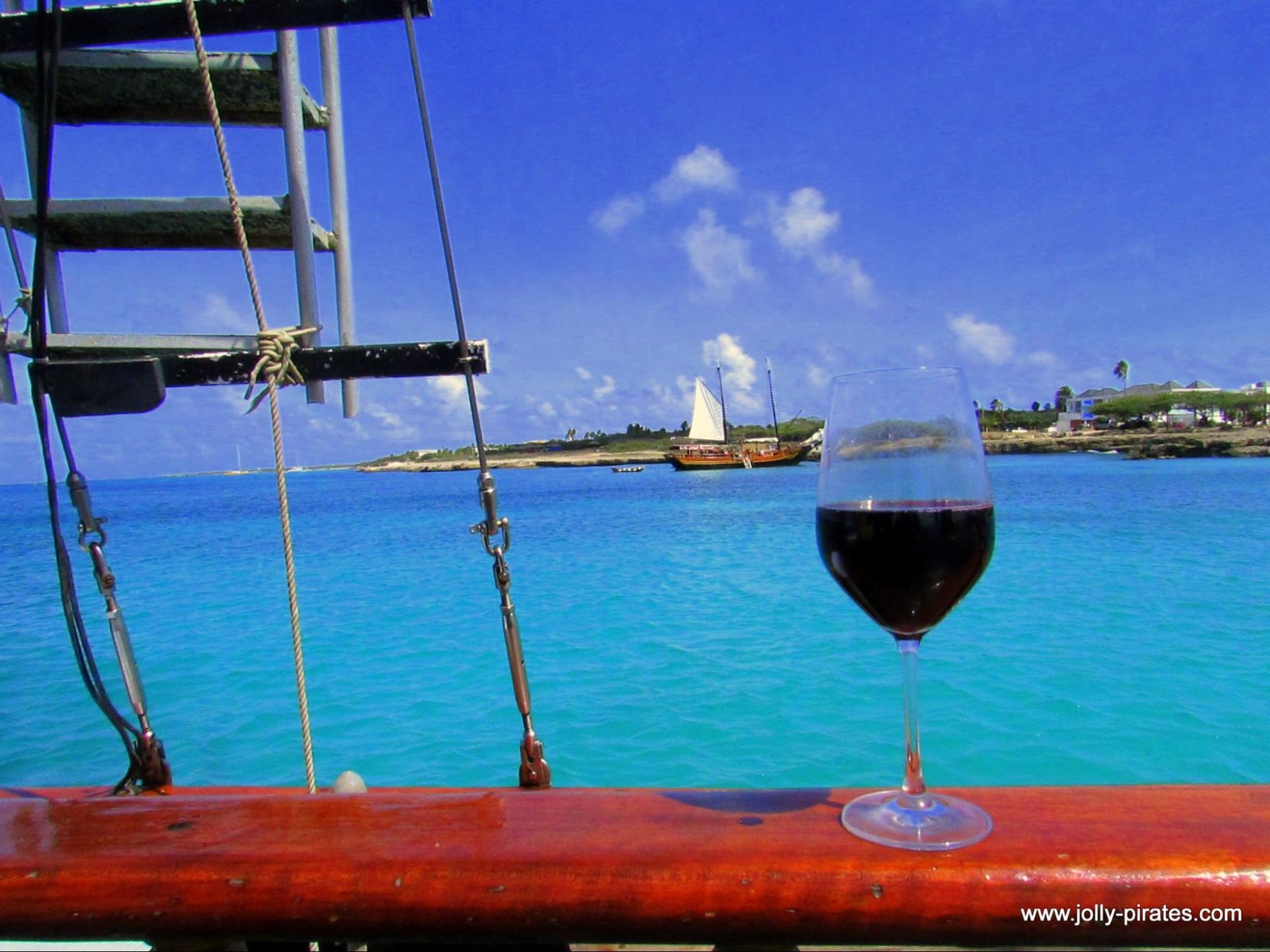
Summer on the island is hotter and breezier, and July and August are some of the busiest months of the year, especially for families on school break and wedding groups. It’s the perfect time to book a Jolly Pirates activity, such as a snorkeling tour or sunset cruise. If you’re traveling in July or August, book excursions and dinner reservations early.
Romance is in the air in August, as this is when Aruba hosts the Aruba I Do vow renewal event. This is a great time for couples to experience the ultimate romantic summer in Aruba.
Fall tends to be the quietest, most affordable time of year to travel to Aruba. With school in session, there are also fewer families staying on the island, and beaches are less crowded. Fall is a perfect time for foodie travelers. This is when Aruba hosts its Restaurant Week, with participating restaurants offering exclusive three-course prix fixe menus showcasing the island’s cuisine. The Autentico food festival also takes place in the fall, celebrating the island’s cuisine.
Cruise season picks up in October, bringing extra foot traffic to Oranjestad on port days. Cruise visitors are always welcome, and there's plenty to explore during your time on the island. Keep in mind that short rain showers become more common from October through December and can come on quickly. This kind of weather makes for the perfect opportunity to relax inside until the skies clear up again, which usually doesn’t take long.
Visitors celebrating holidays like Thanksgiving will find many resorts and restaurants offering special holiday menus. That said, holiday celebrations and traditions in Aruba can vary. For instance, Christmas celebrations blend several Caribbean, Dutch, and Catholic traditions. The holidays on the island will likely differ from your celebrations at home and provide a unique travel experience.
Aruba has a season for every type of traveler, including:
Find your month
Match your travel style to the months that suit it. Many overlap, so a family of foodies or budget-minded honeymooners can have it both ways.
September and October, or late spring, for lower costs and great weather.
June through August, during school breaks. July and August are the busiest, so book early.
Late April through June, or mid-fall, for quieter beaches and easier special-occasion reservations at restaurants.
September through November for calm beaches and slow days.
January and February for Carnival street food, or late December for holiday food traditions.
Event dates change every year. Check the official schedule before you book.
Planning your trip around a great meal?
Reserve a tableMany of these seasons overlap, so if you’re a family of foodies or budget-conscious honeymooners, you don’t have to compromise on a great experience.
For travelers who plan their entire trip around what they'll eat, Aruba's celebrations calendar is as good a reason to pick a month as the weather. Every month has a festival or event worth building a night around, packed with delicious food and drinks.
Carnival’s full schedule brings weeks of parades, music, and street parties, along with street vendors and special menus at local restaurants. The Carnival culminates in the Grand Parades in San Nicolas and Oranjestad, just before Ash Wednesday. These are can’t-miss events for social, foodie travelers.
Because this is a high-travel-time period, it’s smart to book reservations in advance, especially around parade weekends, and confirm your dates. Be sure to leave some meals open for exploring the street and parade vendors!
The holiday season in Aruba is often accompanied by delicious local recipes and traditional dishes. Ayaca, pan bollo, and ham are Christmas staples throughout the island. Another famous dessert, bolo pretu, may appear at Christmases, weddings, and other big celebrations in Aruba. These dishes are just a few you can look forward to during the holiday season, as well as gaita and dande music and New Year's Eve fireworks.
It’s smart to book holiday dinners at restaurants that offer holiday service — such as Thanksgiving, Christmas, and New Year's — well in advance, due to higher demand or limited seats.
Even without specific holidays on the calendar, many restaurants rotate specials, happy hours, live music nights, and more for locals and travelers alike. Every month, you can find exciting, special activities on the island, even during the slower travel seasons. You can check local websites, social media, or travel calendars to discover what local businesses and restaurants might be offering during your trip.
Whenever you decide to plan your trip, at YummyAruba.com, we know that dining is always an integral part of the Aruban experience. Check our website for your travel dates to see what you can look forward to at meal times and to make reservations ahead of time, particularly during high travel season. You can also purchase gift cards for yourself or loved ones with a trip coming up, to give the gift of a great dining experience.
For most travelers, May is a great month to visit Aruba. It offers the same dry, sunny, breezy weather as winter, but hotel rates have already dropped after Easter, and beaches and restaurants are far less crowded. If you want the liveliest atmosphere and don't mind paying more, January and February bring Carnival season and a packed events calendar. If saving money is the top priority, September and October typically offer the lowest rates of the year.
The cheapest time to visit Aruba is generally September, October, and early December, when demand is lowest and hotels offer their best rates. Late April through June is also affordable, with the added benefit of some of the island's most pleasant weather. Prices are highest from mid-December through mid-April, especially around Christmas, New Year's, and spring break.
Aruba sits outside the main hurricane belt, so direct hurricane hits are very rare. The island is still within the broader Atlantic hurricane season window (June 1 through November 30), and distant storms can occasionally bring rain, rougher seas, or flight disruptions. For travel during those months, travel insurance is a sensible precaution, but hurricanes are rarely a reason to avoid planning a trip.
Aruba has a short, modest rainy season from October through December, but it looks very different from rainy seasons elsewhere in the Caribbean. Rain usually comes as brief showers that pass quickly, and most days stay dry and sunny. The wettest months are typically October through December, but even then, most days remain dry and sunny. Aruba's arid, desert-like climate means annual rainfall is low compared with most tropical destinations.
Aruba's Carnival season typically runs from early January to late February, occasionally early March. The season includes weeks of parades, music competitions, and street parties, and ends with the Grand Parades in San Nicolas and Oranjestad. Because the dates change each year, check the official schedule before booking, and reserve restaurants early for parade weekends.
Aruba is breezy year-round, but most visitors consider the trade winds one of the island's most noteworthy features. The wind keeps temperatures comfortable and humidity low, and it makes Aruba a top destination for windsurfing and kitesurfing. Winds are generally strongest in June and calmest in October and November. Calmer beaches, like those on the west coast, are well protected for swimming.
Yes, July and August are very busy months in Aruba, especially for families traveling during school breaks and for wedding groups. If you're visiting then, book hotels, excursions, and restaurant reservations early. For the fewest crowds overall, visit in September, October, or November.
