
Key takeaways
Aruba’s weather is some of the most predictable in the Caribbean, which makes it much easier to plan your trip without needing to worry too much about the forecast. You’ll find warm temperatures all year round, so the weather should be pleasant no matter when you choose to visit, but rainfall, wind, and humidity can vary depending on when you choose to visit.
Knowing what to expect from the weather can help you decide the best time to visit Aruba and what to pack, whether that’s lightweight clothing and swimwear during the day, or extra layers and jackets for breezy evenings. This guide will help you learn what to expect from Aruban weather so you can easily plan and make the most of your trip!
Aruba has a consistent climate, with warm, sunny weather all year. High temperatures typically average 86°F to 92°F, and lows fall between 77°F and 81°F. The island sees constant trade winds that help keep the heat comfortable; even though temperatures are high, you’ll likely never get too hot!
Each year, Aruba receives around 18 inches of rain in total and has more sunny days than almost any other Caribbean island. So, if you’re looking for a sun-filled getaway with reliable warm weather, Aruba could definitely be the right place for you.
That said, as with anywhere else, Aruba’s weather does still change slightly month to month. Here are some of the ways you can expect the island’s weather to change with the seasons.
Aruba stays warm all through the year, but there are some small differences in average temperatures from one month to the next. The biggest seasonal change is rainfall, with the driest conditions generally falling from February through June and wetter weather arriving toward the end of the year.
Month by month
Temperatures barely move all year. What changes is rain and wind, so use the color bands to see the dry, windy, and rainy stretches at a glance.
| Month | High / low | Rain | Rainy days | Trade winds | What to expect |
|---|---|---|---|---|---|
| JanuaryDry season | 86°F / 77°F | 1.7 in. | 11 | Steady ~16 mph | Warm, sunny days with frequent but short morning showers |
| FebruaryDry season | 87°F / 77°F | 0.8 in. | 5 | Steady ~17 mph | Dry weather and plenty of sunshine |
| MarchDry season | 88°F / 78°F | 0.4 in. | 2 | Steady ~18 mph | One of the driest months, ideal for beach days |
| AprilDry season | 89°F / 79°F | 0.3 in. | 2 | Strong ~18 mph | Warm, mostly dry conditions |
| MayWindy season | 90°F / 80°F | 0.6 in. | 2 | Strong ~19 mph | Hotter days with plenty of sunshine |
| JuneWindy season | 91°F / 80°F | 0.7 in. | 3 | Peak ~20 mph | Hot, breezy weather and little rain |
| JulyWindy season | 90°F / 80°F | 1.2 in. | 4 | Strong ~18 mph | Warm, sunny days with steady trade winds |
| AugustWindy season | 92°F / 81°F | 0.8 in. | 3 | Steady ~18 mph | Hot weather with occasional showers |
| SeptemberWarmest stretch | 92°F / 81°F | 1.7 in. | 3 | Easing ~15 mph | Warm conditions and a gradual increase in rainfall |
| OctoberRainy season | 90°F / 80°F | 3.0 in. | 7 | Lightest ~13 mph | More frequent showers, often brief |
| NovemberRainy season | 89°F / 79°F | 3.4 in. | 10 | Lightest ~13 mph | Typically the wettest month of the year |
| DecemberRainy season | 87°F / 78°F | 3.2 in. | 11 | Easing ~15 mph | Warm days with a greater chance of passing showers |
Averages for 1991–2020 from Departamento Meteorológico Aruba. Rainy days = days with at least 1 mm (0.04 in.) of rain.
The difference between the coolest and warmest months is only a few degrees, so you won’t need to change your wardrobe much depending on when you visit. If you plan on heading to Aruba during the wetter months, a light, waterproof layer will come in exceptionally handy.
Locals often describe Aruba’s year in three overlapping seasons, none of which involve any cold weather. Whatever time of year you visit, the main differences you can expect are in how dry, windy, or rainy the conditions are.
Between January and April, you’ll experience some of the island’s driest weather, with plenty of sunshine. Earlier in the season, in January, you’re more likely to see rain showers, but they tend to come in the morning and pass quickly. Conditions are ideal for spending a day at the beach or exploring the island, as there is very little risk of getting stuck in a shower. For most days during this season, lightweight clothing and swimwear are all you will need.
Trade winds blow throughout the island all year, but may be more noticeable during their peak in June. These winds can make hot summer days more tolerable, but you should ensure you still take appropriate measures against the strong UV rays, such as wearing a hat and sunscreen.
October through December is the short rainy season. This brings about an increased chance of rain, with showers sometimes continuing into early winter. Rain in Aruba is very rarely all-day washouts, but instead comes in brief showers, so be sure to pack a light, waterproof layer to stay dry.
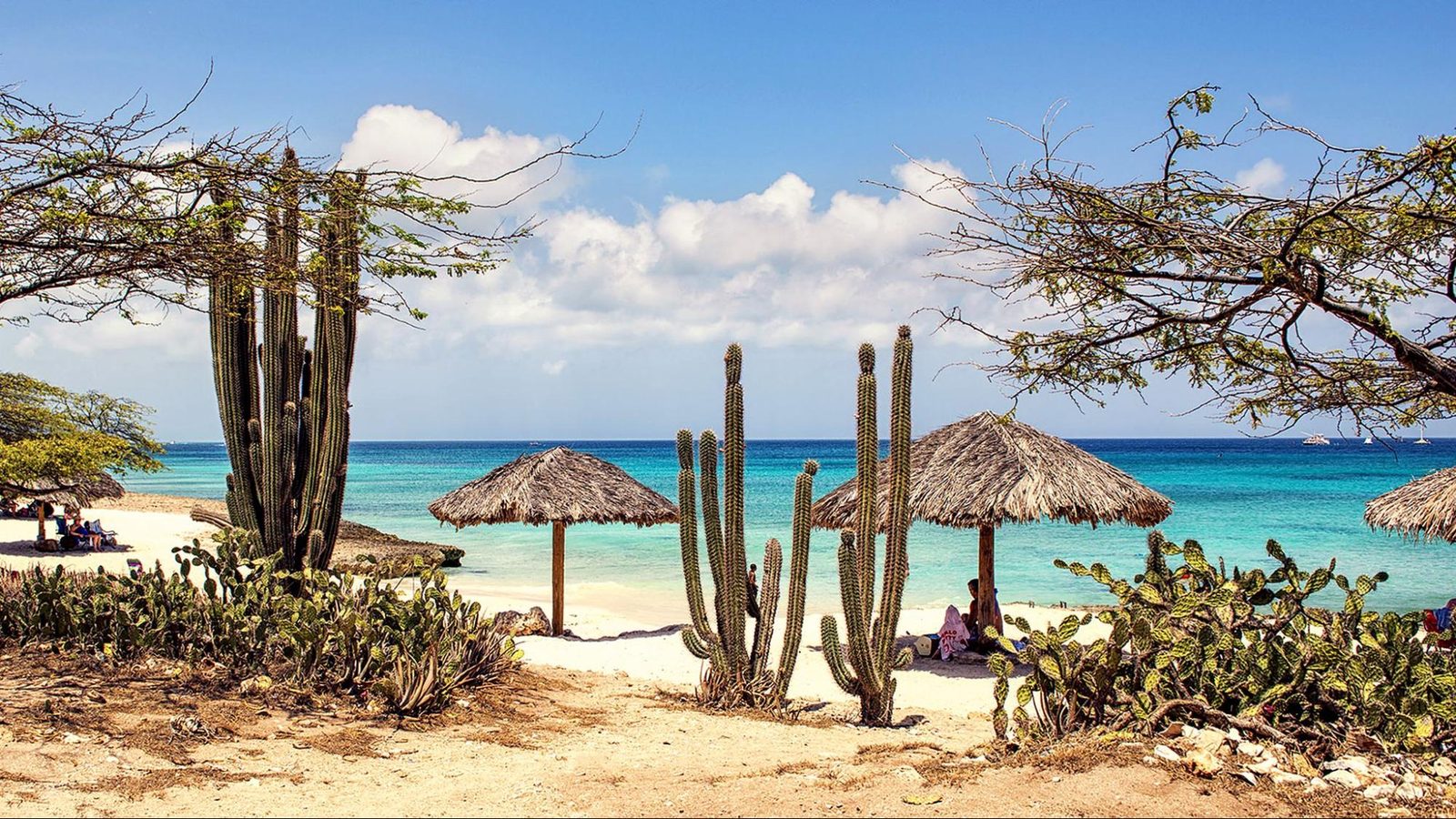
Steady trade winds, year-round sunshine, and small amounts of seasonal rainfall shape Aruba’s climate. All of these influence how the weather feels when you’re out exploring, so it’s good to understand what you can expect when visiting and how to plan your trip.
Aruba has steady, easterly trade winds that act as natural air conditioning. These provide a cool breeze that can keep you cooler when temperatures are higher, making the heat feel less intense.
The trade winds tend to be at their strongest in June, bringing breezier afternoons that are ideal for windsurfing, kitesurfing, and sailing. These reliable conditions attract watersports enthusiasts and international competitions to the island, but they have practical downsides too. Secure your hat so it doesn’t fly away and keep napkins weighted down if you’re dining outside.
June and July tend to be popular times to book exciting island activities, like Jolly Pirates’ snorkel and sunset cruises, particularly for families. The ocean tends to be calmest earlier in the day, so if you’re heading out during the breeziest time of year, it’s best to head out on the water in the morning.
The trade winds are also a major draw for watersports enthusiasts. Each year, the island plays host to Aruba Hi-Winds. This multi-day competition features windsurfing, kitesurfing, wing foiling, and other wind-powered sports. Held annually at Sarah-Quita Beach (Formerly Fisherman’s Huts), the competition usually takes place in May, although dates can vary. Spectators can watch the action of the competition’s events from the beach for free.
Aruba averages only around 18 inches of rain each year and sees most of this rainfall between October and December, when the island landscape is noticeably greener. When the rain does come, it’s commonly seen in short showers that take place overnight or early in the morning.
No matter when you choose to visit, you can rest assured that the majority of your vacation time will be dry skies. Aruba very rarely sees full days of rain. If you do encounter a shower during your stay, then this will simply mean moving from the beach to a covered patio until it passes.
Aruba is located quite a ways south of the main Atlantic hurricane belt, so direct hits are extremely rare. In fact, Aruba has actually never been directly hit by a hurricane since record-keeping began in 1851.
During the regional hurricane season, which runs between June and November, distant storms can bring occasional showers. Despite this, there’s a very low risk of anything majorly disruptive or dangerous happening during your vacation due to a hurricane. While purchasing standard travel insurance is highly recommended to protect your trip, getting additional protection for adverse weather in the event of a hurricane is a reasonable precaution in Aruba, rather than a necessity.
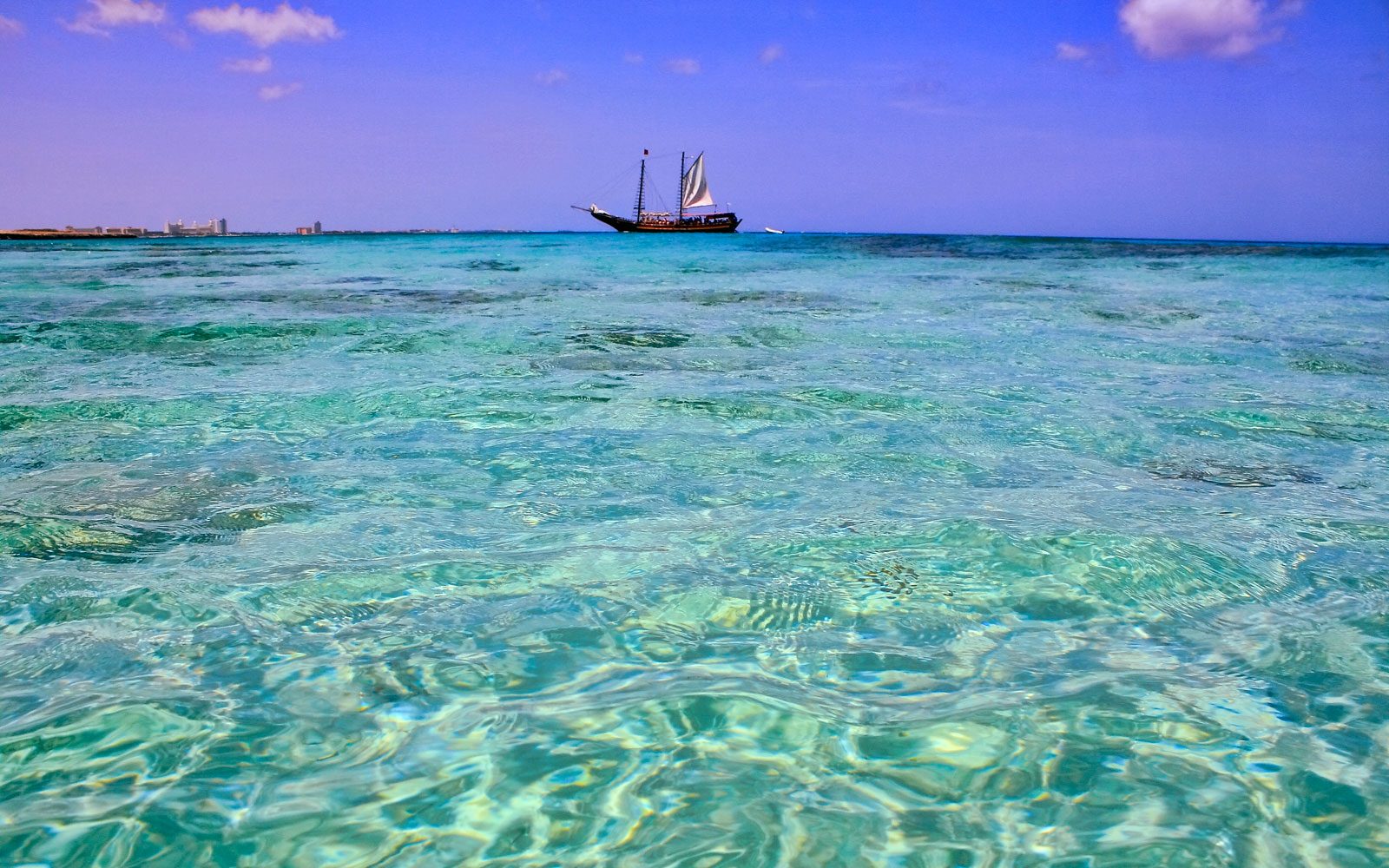
A trip to Aruba is all but synonymous with enjoying the beautiful, blue Caribbean Sea. Thankfully, water temperatures stay between about 79°F and 85°F year-round, warmest in September and October, making it warm enough to be able to head into the water for a light swim or go snorkeling without a wetsuit no matter when you choose to visit.
Snorkeling is a popular activity in Aruba, thanks to the copious amounts of marine life that can be found here. Be sure to enjoy this activity in the morning if possible, as this is when the water is usually calmest.
If you do plan on heading into the water, though, you should be aware of which beach is best suited to you, as the different areas of the island offer different conditions. The west and south beaches are calm and swimmable, whereas the beaches located along the north and east coasts are much rougher and are generally not suitable for swimming.
Despite the trade winds making the island feel a little cooler, the UV index in Aruba is very high all year round. This means that, although it can feel cool at times, many people underestimate how much sun they’re getting.
To ensure you’re staying protected from the sun, wear reef-safe sunscreen (which should be reapplied every couple of hours) and a hat. If you’re outdoors all day, you’ll want to find some shade, or spend a few hours indoors, between around 11 a.m. and 3 p.m. when the sun is at its strongest.
Preparing for the weather in Aruba mostly comes down to packing the right things. Thankfully, knowing what to pack is very easy due to the year-round sunshine and relatively similar conditions throughout the seasons. Be sure to bring along these essentials to stay comfortable in the heat:
Pack plenty of reef-safe sunscreen too, and you’ll be ready for Aruba’s sunny, breezy climate, no matter what time of year you visit.
Whether it’s beachfront dining or meals out on the beautiful terraces of Wilhelminastraat restaurants, almost every memorable meal in Aruba takes place outdoors. Warm breezes, mouthwatering foods, and stunning ocean views make the weather part of the experience rather than an obstacle that needs to be contended with.
During the midday hours, Aruba sees strong sun and steady winds, making shaded, open-air beach bars a very comfortable spot for enjoying lunch. Beachfront dining spots catch the most breeze, making them a top place to relax on a hot day.
If the sun or heat becomes too intense, heading indoors to an air-conditioned restaurant with large windows overlooking the water can offer a welcome reprieve without sacrificing the views. Choosing somewhere with a mix of indoor and outdoor seating gives you the flexibility to enjoy the scenery while staying comfortable throughout the warmest part of the day.
As the sun sets, temperatures ease while the trade winds keep the air moving, making evenings one of the most comfortable times of day in Aruba for open-air dining. If you’re hoping to enjoy your evening meal with your toes in the sand, or overlooking the ocean, be sure to reserve a beachfront or patio table around sunset well in advance of your visit. That way, you can enjoy the local specials and events during your visit, as these are the spots that tend to book up first.
If you plan on visiting between October and December, be sure to ask about covered seating when booking a table outdoors, so a passing shower doesn’t interrupt or spoil your meal.
Plan around the forecast
The weather follows a daily rhythm almost every day of the year. Time your swims, lunches, and dinners to it.
The sea is usually calmest early in the day, so book snorkel trips and boat tours for the morning, especially in breezy June and July.
October to December: showers tend to fall overnight or early in the morning and pass quickly.
The sun is strongest now and the UV index is very high all year, even when the breeze makes it feel cooler. A shaded beachfront spot catches the most wind, or head inside to air-conditioning with a water view.
Sun care: reapply reef-safe sunscreen every couple of hours and wear a hat.
Easterly trade winds pick up, peaking in June. It is prime time for windsurfing and kitesurfing, and a good time to watch from the beach.
Dining outside? Secure your hat and weigh down your napkins.
Temperatures ease while the trade winds keep air moving, making evenings the most comfortable time for open-air dining. Beachfront and patio tables at sunset book up first, so reserve ahead.
October to December: ask for covered seating so a passing shower won't interrupt dinner.
Ready for sunset? Lock in an open-air table.
Whatever month you visit, Aruba’s warm climate makes outdoor dining an essential part of the island experience. Browse beachside restaurants, find a gorgeous spot with sparkling ocean views, and reserve an open-air table for sunset to make the most of those warm evenings and gentle sea breezes.
December and January bring frequent but short-lived rain showers in the morning, while February is noticeably drier. In December through February, the average high temperature is about 87°F with higher rainfall in quick-passing showers, consistent trade winds, and abundant sunshine. Evenings are mild rather than cool, so a light layer is all you'll need for an open-air dinner. It’s also the island’s busiest travel period, so book tables and tours early.
Spring is warm, dry, and breezy, with high temperatures climbing from about 88°F in March to 90°F in May. Rainfall is at its lowest of the year in April, and the trade winds stay strong in spring and build toward their peak in June. It's one of the most comfortable stretches for beach days and outdoor dining.
Summer tends to be a warmer part of the year, with high temperatures averaging 90°F to 92°F from June through August. The strong trade winds during these months keep the heat from feeling oppressive, even though humidity stays fairly high year-round. Rainfall remains minimal, so expect long, sunny days and excellent water conditions.
Fall starts with some of the year’s warmest temperatures: September ties August for the highest average high, around 92°F. The trade winds also begin to ease, and they reach their lightest in October and November, which can make it feel hotter. September and October can occasionally run a few degrees warmer than average, and brief showers sometimes pass through very early in the morning. October marks the start of the short rainy season, which runs through December, with brief showers and average highs easing back slightly to about 89°F. Most days stay sunny throughout.
January is the early part of Aruba's dry season, with average high temperatures around 86°F, frequent but short rain showers, and steady trade winds. It's one of the most comfortable months of the year, which is also why it's one of the busiest. Expect sunny days, pleasant evenings, and excellent conditions for both beach time and outdoor dining.
December sits at the tail end of Aruba's short rainy season, with average high temperatures around 87°F and frequent brief showers. Most days are still sunny, and rain typically passes quickly rather than lasting all day. It's a warm, festive month, so pack a light rain layer and plan on plenty of beach time.
August and September are typically the warmest months — high temperatures average around 92°F. Winds begin to ease in September and are lightest in October and November, which is why it can feel hotter than the numbers suggest. Shade, hydration, and morning or evening beach time make a noticeable difference during these months.
